
Homeowners often assume that replacing sash windows in a conservation area automatically requires planning permission.
In reality, sometimes permission is required, and sometimes it isn’t. Understanding the guidelines for obtaining planning permission for sash windows in a conservation area is crucial for homeowners.

The deciding factor is not the conservation area itself, but whether the replacement windows change the external appearance of the property.
Key Considerations When Replacing Sash Windows in a Conservation Area
When reviewing sash window replacements, local authorities focus on a single issue:
Does the proposal alter how the building looks from the outside?
Councils typically assess:
Window proportions and overall size
Frame thickness and visible profiles
Glazing layout and bar configuration
Materials and surface finish
Modern glazing performance is usually secondary, provided the external appearance remains appropriate.
When Planning Permission Is Usually Required
You are likely to need planning permission if:
The property is listed
An Article 4 Direction is in force
The replacement windows differ from the originals
Materials or detailing do not match existing windows
The glazing layout or proportions are altered
Listed buildings always require consent, regardless of how minor the change appears.
How Councils Assess Sash Window Replacement Proposals
When reviewing sash window replacements in conservation areas, councils typically assess proposals against local conservation policies rather than national rules alone.
In practice, planning officers and conservation officers will often consider:
Whether the replacement matches the original window design
Whether frame profiles and sightlines are appropriate
Whether glazing bars, horns, and meeting rails reflect the period
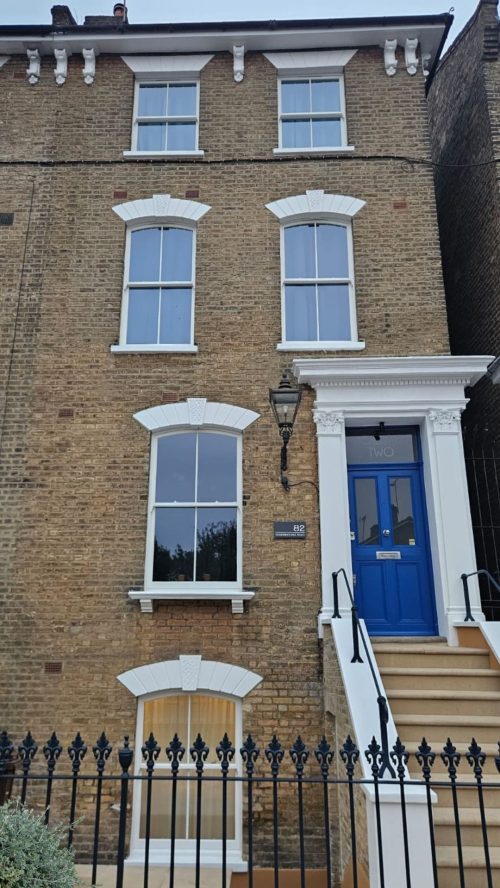
Whether materials are consistent with the surrounding street scene
Applications that clearly demonstrate a like-for-like approach are generally easier for councils to support. Simple drawings, photographs of existing windows, and clear specifications can all help clarify intent.
This is also why well-prepared applications tend to progress more smoothly than reactive or retrospective ones.
Like-for-Like Sash Window Replacements
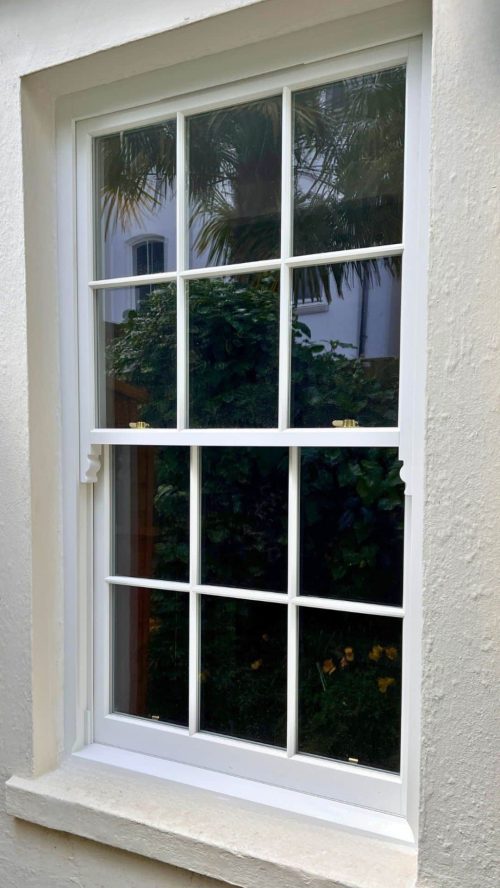
Where new timber sash windows closely replicate the originals, many councils treat the work as a like-for-like replacement.
In these cases, planning permission may not be required, unless permitted development rights have been removed.
This is why checking the property’s planning status before ordering is essential.
What Is an Article 4 Direction?
An Article 4 Direction removes permitted development rights that would normally allow certain changes without formal permission.
This is where confusion often arises.
Two properties on the same street may be subject to different planning controls. What was approved for a neighbour is not a reliable guide.
Common Misunderstandings
Homeowners are often told:
“Nothing is allowed in a conservation area”
“Double glazing is always refused”
“My neighbour replaced theirs, so I can too”
These assumptions regularly cause delays, redesigns, or retrospective applications.
Each case is assessed individually against local policy and conservation guidance.
Risks of Getting This Wrong
Proceeding without checking planning requirements can lead to:
Retrospective planning applications
Enforcement action
Delays of several months
Windows that cannot be installed
Unnecessary cost
Confirming requirements early avoids these outcomes.
Planning Support for Conservation & Article 4 Projects
For properties in conservation areas or subject to Article 4 Directions, we offer a planning support service that includes:
Reviewing the property’s planning status
Advising whether consent is likely to be required
Preparing and submitting planning applications
Responding to conservation officer queries
The aim is clarity before manufacture, so projects progress without avoidable issues.
Find out more here.
Who Is Responsible for Checking Planning Permission?
Responsibility for checking whether planning permission is required usually sits with the homeowner or the party commissioning the work.
Installers, manufacturers, and suppliers may offer guidance, but local authority planning rules vary widely and can change over time.
For this reason, confirming planning requirements before ordering windows is always advisable. This is especially important for properties in conservation areas or subject to Article 4 Directions, where assumptions can quickly lead to delays.
Engaging professional support early helps ensure that proposals are assessed correctly and that the right approvals are in place before work begins.
Summary
Replacing sash windows in a conservation area does not automatically require planning permission.
What matters is whether the replacement changes the external appearance of the property, and whether permitted development rights still apply.
If there is any uncertainty, confirming this before ordering is always the safest approach.


