
Double Glazing & Glass
Double Glazing & Glass Options for Timber Windows and Doors
Choosing the right glazing depends on your property and what you want to achieve, whether that is improved thermal performance, reduced external noise, increased security or greater privacy. We offer a range of glazing options for our made-to-order timber windows and doors, including conventional double glazing, vacuum glazing, acoustic and laminated glass, safety glass and obscure or decorative glass.
The sections below explain the differences and where each option may be most suitable.
Double Glazing for Timber Windows and Doors
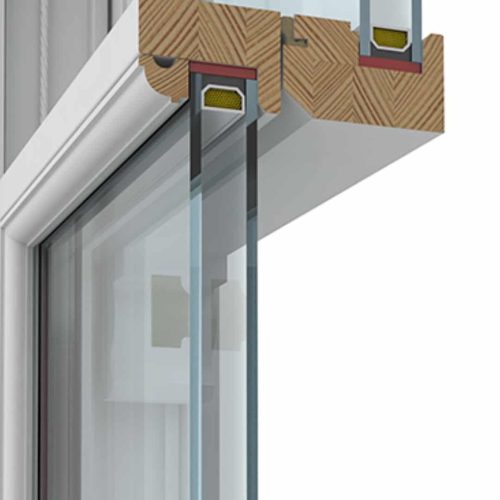
Our timber windows and doors can be specified with different double-glazed units depending on the required thermal performance, window design and traditional profile requirements.
Our standard 24mm double-glazed units incorporate Low-E glass, an argon-filled cavity and a warm-edge spacer bar, providing strong thermal performance while maintaining appropriate joinery proportions.
Where a slimmer glazing unit is required, we can also offer an 18mm krypton-filled double-glazed unit. The reduced overall thickness can help achieve slimmer glazing details while still providing excellent thermal performance.
Key Features:
- 24mm double glazing – Low-E glass with argon gas, providing a centre-pane U-value of approximately 1.1 W/m²K.
- 18mm double glazing – Low-E glass with krypton gas, providing a centre-pane U-value of approximately 1.0 W/m²K.
- Warm-edge spacer bars to help reduce heat loss around the edge of the glass.
- Spacer bar colours available in white, black, grey and brown.
- Toughened or laminated safety glass where required.
🟢 Optional Upgrades:
- Acoustic laminated glass for improved sound reduction.
- Laminated glass for increased safety and security.
- Obscure or decorative glass for privacy.
Acoustic & Laminated Glass
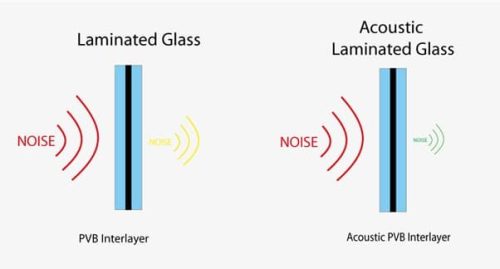
Acoustic and laminated glass can be specified where improved sound reduction, safety or additional security is required.
- Acoustic Glass: Uses laminated glass with a specialist acoustic interlayer designed to reduce the transmission of external noise. It can be particularly useful for properties affected by road traffic, aircraft, railways or other sources of unwanted noise.
- Laminated Safety Glass: Consists of glass panes bonded together with an interlayer. If the glass is broken, the interlayer helps hold the fragments together. Laminated glass can also provide increased resistance against forced entry. Available thicknesses: 6.4mm, 8.8mm and 10.8mm, depending on the glazing specification and project requirements.
 Particularly useful for bedrooms, front elevations and properties in busy urban locations.
Read more about acoustic glass in sash windows here.
Vacuum Glazing
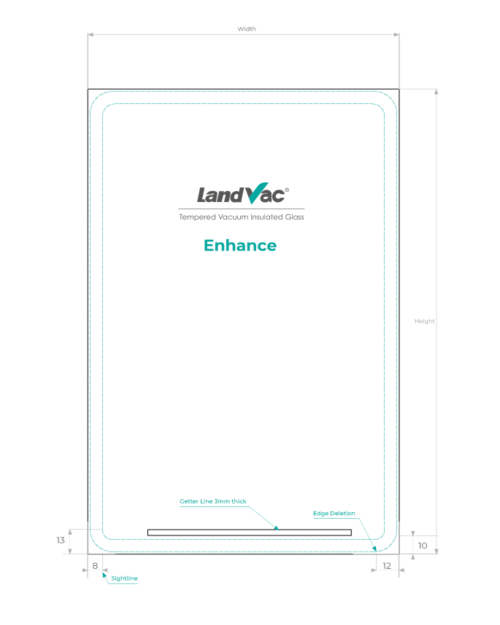
Vacuum glazing provides very high thermal performance within an exceptionally slim glass unit, making it particularly useful for traditional timber windows where maintaining slender glazing profiles is important.
At just 8.3mm overall thickness, our vacuum glazing has a centre-pane U-value of approximately 0.4 W/m²K. Its slim construction makes it particularly suitable for traditional sash windows and projects in conservation areas where the appearance and proportions of the original windows are important.
Key Features:
- 8.3mm total glass thickness.
- Centre-pane U-value of approximately 0.4 W/m²K.
- Toughened inner and outer glass panes.
- 15-year manufacturer warranty.
- Suitable for conservation area projects, subject to planning approval.
Learn more about Vacuum Glazing here.
🟢 Suitable for conservation areas (subject to approval)
Obscure and Decorative Glazing
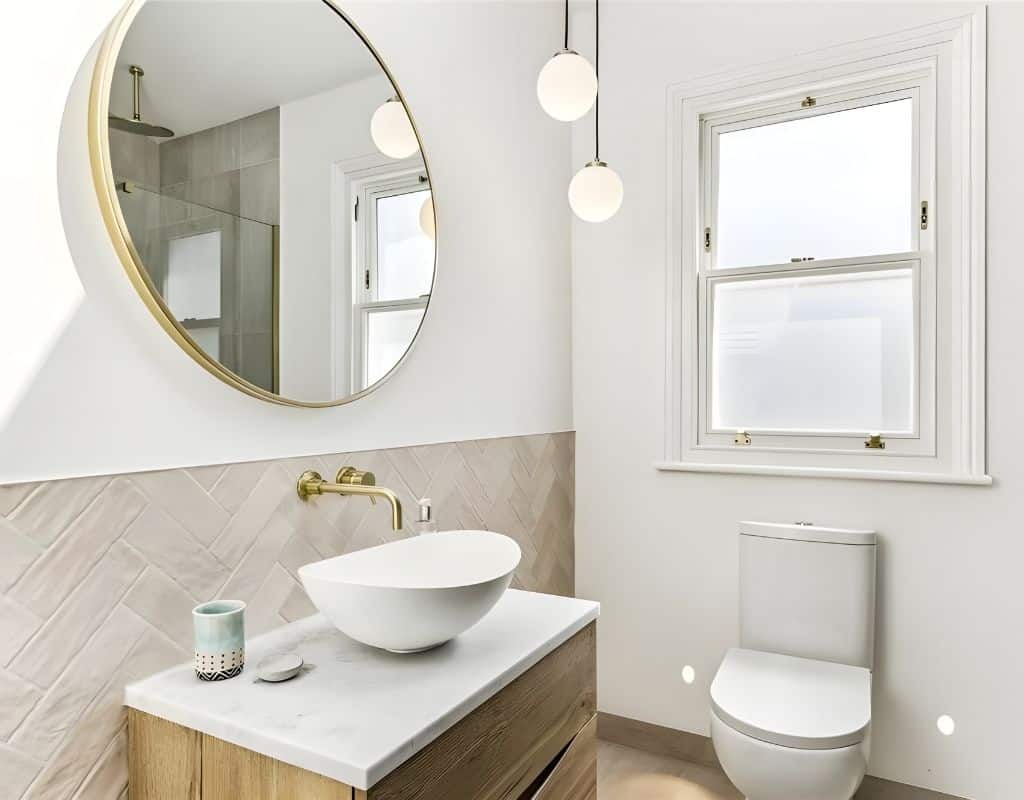
Obscure and decorative glass can provide additional privacy while still allowing natural light into the room. It is particularly useful for bathrooms, entrance doors, hallways and windows that are overlooked.
Choose from a range of glass options:
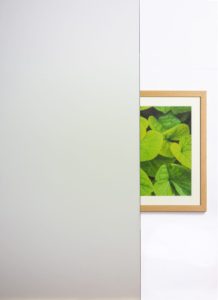
- Satin (Etched) Glass – provides a uniform frosted appearance with a high level of privacy.
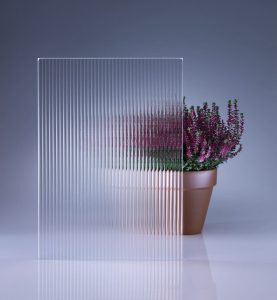
- Reeded Glass – vertical fluted lines that provide privacy while creating a distinctive decorative detail.
- Sandblasted Glass – custom designs, patterns or house numbers can be created where required.
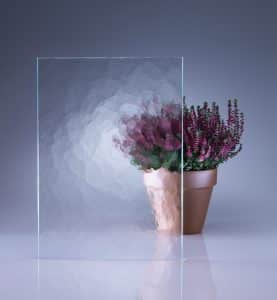
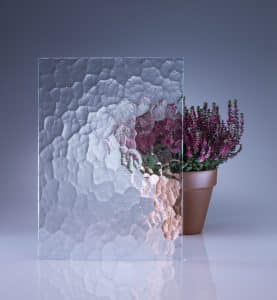
- Obscure Patterned Glass – available in a wide range of patterns and varying levels of privacy.
These glass options can be specified across our timber windows and doors, subject to the required glazing specification.

View our obscure/ privacy glass range
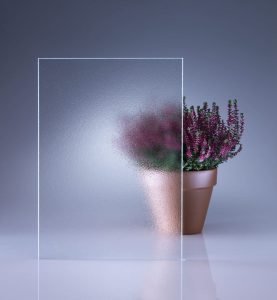
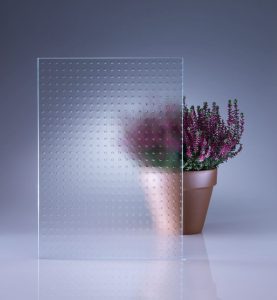
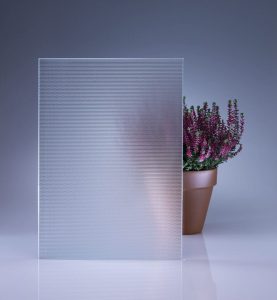
Our obscure glass range includes a variety of patterns and textures with different levels of privacy. View some of the available options below.
What is a Warm Edge Spacer Bar in Double Glazing?
A spacer bar is the strip that separates the panes of glass within a double-glazed unit. It runs around the perimeter of the glass and maintains the space between the two panes.
Traditional spacer bars were commonly made from aluminium, which conducts heat relatively easily. Warm edge spacer bars use materials with lower thermal conductivity, helping to reduce heat transfer around the edge of the glass. This can improve the thermal performance of the glazing unit and help reduce the risk of condensation forming around the perimeter of the glass.
Key Details:
- SWISSPACER warm edge spacer bars are used as standard with our double-glazed timber windows and doors, unless a different specification is required.
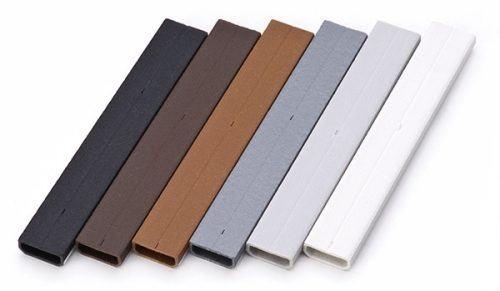
- Available in white, black, grey and brown to suit different window colours and glazing details.
- Helps reduce heat transfer around the perimeter of the glass.
- Can help reduce the likelihood of condensation around the edge of the glazing.
Unless otherwise requested, we’ll select a spacer bar colour that suits your chosen paint finish – for example, white windows will typically be supplied with white warm edge spacers.

Glazing FAQs
Do I need toughened glass?
Safety glass is required in certain locations where there is a greater risk of accidental impact, such as glazing in doors and low-level glazing. Depending on the application, this may be toughened or laminated safety glass. We can advise on the appropriate glass specification for your timber windows and doors during the quotation and design process.
Read more about Building Regulations for timber windows and doors here.
Can I choose different glass types for top and bottom sashes?
Yes. Different glass types can be specified for the upper and lower sashes where required. For example, you may need safety glass in a lower sash while using standard double glazing in the upper sash, or obscure glass in one section where additional privacy is needed. We can advise on the most appropriate combination for your window and its location.
What’s the difference between vacuum and double glazing?
Conventional double glazing uses two panes of glass separated by a gas-filled cavity, whereas vacuum glazing uses a very small vacuum-sealed space between the panes. This allows vacuum glazing to achieve very high thermal performance within a much thinner glass unit.
Our standard double glazing is 24mm thick, with an 18mm krypton-filled option also available. Our vacuum glazing is just 8.3mm thick, making it particularly useful for traditional timber windows where slimmer glazing profiles are important, including many conservation area projects.
Learn more about Vacuum Glazing here.
Is acoustic glass worth it?
Acoustic glass can be a worthwhile option for properties affected by unwanted external noise, particularly road traffic, aircraft or railway noise. It uses laminated glass with a specialist acoustic interlayer designed to reduce sound transmission through the glazing.
The level of sound reduction will depend on the complete window specification, including the glass configuration, window construction, seals and installation. We can advise on the most appropriate glazing specification for your property and the type of noise you are experiencing.
Read more about acoustic glass in sash windows here.
Do you offer obscure or privacy glass?
Yes. We offer a range of obscure and privacy glass options for our timber windows and doors, including satin etched glass, reeded glass, sandblasted designs and patterned obscure glass. Different options provide varying levels of privacy while still allowing natural light into the room.
These are particularly useful for bathrooms, entrance doors, hallways and overlooked windows.
What is a warm edge spacer bar?
A warm edge spacer bar is the strip that separates the panes of glass around the perimeter of a double-glazed unit. It is made from materials with low thermal conductivity, helping to reduce heat transfer around the edge of the glass and improve the thermal performance of the glazing unit.
We use warm edge spacer bars as standard with our double-glazed timber windows and doors, unless a different specification is required.
Can I use laminated glass in all sash windows?
Laminated glass can be specified in many of our timber sash windows, either for additional safety, security or improved acoustic performance. However, the appropriate glass thickness and specification will depend on the window design, glazing unit and individual project requirements.
We can advise on the most suitable laminated glass specification during the quotation and design process.
What is the difference between a centre-pane U-value and a whole-window U-value?
A centre-pane U-value measures the thermal performance of the glass itself, whereas a whole-window U-value measures the performance of the complete window, including the glass, timber frame and other components.
For this reason, the centre-pane U-values shown for our glazing options should not be confused with the U-value of the complete timber window.

Need some Inspiration?
How can we help?
If you have any questions or would like more information about our timber windows and doors, please complete the form below and we’ll be in touch.
"*" indicates required fields